I don’t know when strawberry ice-cream started to disappear from freezers, but I suspect some of the blame can be laid at the door of “a couple of old hippies from Vermont”, as the Daily Mirror described Ben and Jerry on the brand’s entry into the UK market back in the mid-1990s. Fruit flavours, it seemed, were out, chocolate cookie dough and nut butter crunch were in, and, 30 years later, it’s surprisingly hard to find a tub of plain old strawberry. In fact, just such a fruitless mission inspired this week’s quest. It’s a shame, too: in my book, all ice-cream is good ice-cream, but there’s something particularly joyful about a pink quiff of strawberry ice: British summer in a sticky, dripping cone. Happily, it’s a lot easier to make than it is to track down in shops.
The fruit
Ripe strawberries, even overripe ones, are vital here, because the low temperature and high fat content required by the recipe both have a muting effect on flavour. Given that good berries tend to be expensive, even when they’re in season, heed pastry chef Anna Higham’s heartfelt request, in her book The Last Bite: “Please don’t just slice off the top of the fruit”. Hull them, cutting around the leaves and removing just the hard white core underneath, so you waste as little as possible.
Higham starts by gently heating fruit with sugar to make a juice, which she calls her “secret ingredient … to bump up the flavour in any strawberry dish”. The recipes in David Lebovitz’s The Perfect Scoop, Joe Trivelli’s The Modern Italian Cook and Kitty Travers’ La Grotta Ices kick off similarly, though, instead of making a separate batch of juice, they simply macerate the fruit with sugar to draw the juices out of the berries, thereby creating a syrup. According to Lebovitz, who also adds a slug of vodka or kirsch, “macerating the strawberries beforehand magically transforms even so-so berries into fruits that are brilliantly red”.
This is certainly less work than making juice, which endears it to me, though the recipe in The Book of St John (prefaced by the bold statement: “We are certain that we have achieved strawberry ice-cream perfection”) skips the macerating stage altogether in favour of simply pureeing the strawberries with melted sugar, and it tastes great, too.
However, fruit can vary wildly, so it’s safer to macerate it first – and, though this may be entirely imagined, some of my testers judge the fruit flavour in Higham’s and Travers’ ices to be more complex and fragrant than the competition. Up to you.
I don’t happen to mind a few strawberry pips, or even small chunks of flesh, in my ice-cream – not least because it adds to the impression that you’re eating a product with some relation to actual fruit – but if you have a more refined palate, push the puree through a sieve before mixing with the dairy, as Travers recommends.
The dairy
The higher the fat content of an ice-cream, the smoother and creamier the result will be, which is why it’s hard to make a satisfying, low-fat example without recourse to industrial additives. On the other hand, lower-fat formulas often have a fresher, more intense flavour, a fact confirmed by Trivelli’s gelato recipe, which is made using slightly more whole milk than double cream, and is thickened with cornflour. Travers’ ice-cream is similar, albeit thickened with egg yolks rather than flour, which gives a denser, richer result, while Lebovitz uses almost equal parts of soured and double cream for a tangy, delicately fruity flavour profile.
The oldest recipe I try, from Mrs AB Marshall’s 1885 Book of Ices, calls for whipping cream beaten to soft peaks – or at least so says the version of the recipe that’s printed in Caroline and Robin Weir’s masterful Ice Creams, Sorbets and Gelati: The Definitive Guide; the one in my copy of Marshall’s book specifies custard or cream. It’s also the only one I don’t use an ice-cream maker for, so it’s distinctly icier than the others – if you don’t have one available, Higham tells me her recipe can be made no-churn by whipping the cream and condensed milk before folding in the blended strawberries and sugar, which feels a better bet.
The recipe in question mixes double cream with condensed milk in a ratio of roughly 3:1; the milk’s lower water content providing creaminess without the deadening effect of extra fat, because it’s just 9% as opposed to double cream’s 48%-plus, which gives the fruit more of a chance to shine than in the wonderfully luxurious St John version that uses pure double cream.
Frankly, though testing strawberry ice-cream has a real “it’s a tough job, but somebody’s got to do it” vibe, this week has been hard simply because people don’t tend to be at their critical best when confronted by freshly made ice-cream. “I like all of them,” is not a helpful way to differentiate between six tubs of pure pink pleasure. However, on the basis that I want a clean strawberry flavour (rather than anything too rich, which will distract from the fruit) and a smooth, creamy texture, I’ve gone for a combination of double cream and condensed milk. (Note that if you’d prefer a plant-based recipe, Higham’s book has one made with oat milk.)
The flavourings
Marshall uses vanilla sugar and Trivelli soft brown, but, apart from the condensed milk, which has a distinct, white-chocolate character of its own, this dish should be all about the strawberries, so I’ve stuck to ordinary white stuff (caster or granulated), plus a pinch of salt.
Lebovitz and St John both add lemon juice, while Travers uses “frozen redcurrants or a good tangy redcurrant jelly”, which, she says, “will improve the texture of this ice-cream and give it body – since strawberries can tend to be watery, even in peak season”. Though they are indeed over 90% water, I find these additions actually improve the taste, too. They bring out the naturally acidic notes of the fruit, just as sugar amplifies its sweetness, and yield an ice-cream that tastes of fresh strawberries, rather than the cloying, artificial kind. Lemon juice dissolves more easily, so I’ve gone for that, but feel free to use a tablespoon of redcurrant jelly instead.
The temperature
Thoughresearch is yet to show any credible evidence for the idea that maturing your ice-cream base overnight is key to success, it should be properly chilled before you begin to freeze it, because this will speed up the process, and so give a better final texture. (I suspect this gives the flavours more time to infuse, but, again, that’s just a hunch.) Do remember that without stabilisers to keep the water locked in, homemade ice-cream will last only about a week in the freezer before it becomes unpleasantly hard; it will also need to come out of the freezer a little before you intend to eat it, just like in the old days.
Perfect strawberry ice-cream
Prep 10 min
Macerate 2 hr+ Chill 1 hr+ Churn 30 min+ Makes About 1 litre, to serve 8
500g ripe strawberries, hulled 150g white sugar
50ml lemon juice
350ml double cream
150ml condensed milk
A pinch of salt
Cut the hulled strawberries in half, then put in a bowl with the sugar and lemon juice, and stir until the fruit is well coated.
Cover and leave to steep for at least two hours, and longer, if possible, until the strawberries are sitting in bright red juice.
Puree the fruit, leaving a few small chunks if you like…
… then add the cream, condensed milk and salt. Stir well, then chill thoroughly for at least an hour.
Churn the mixture in an ice-cream machine and serve at once.
If you’d prefer a harder texture, decant the churned ice-cream into a container, press clingfilm on the surface to eliminate any air bubbles and freeze for an hour or so. Eat as soon as possible for maximum enjoyment.
Can anyone solve the mystery of the disappearing strawberry ice-cream for me – or am I, in fact, imagining it? If so, who makes the best?
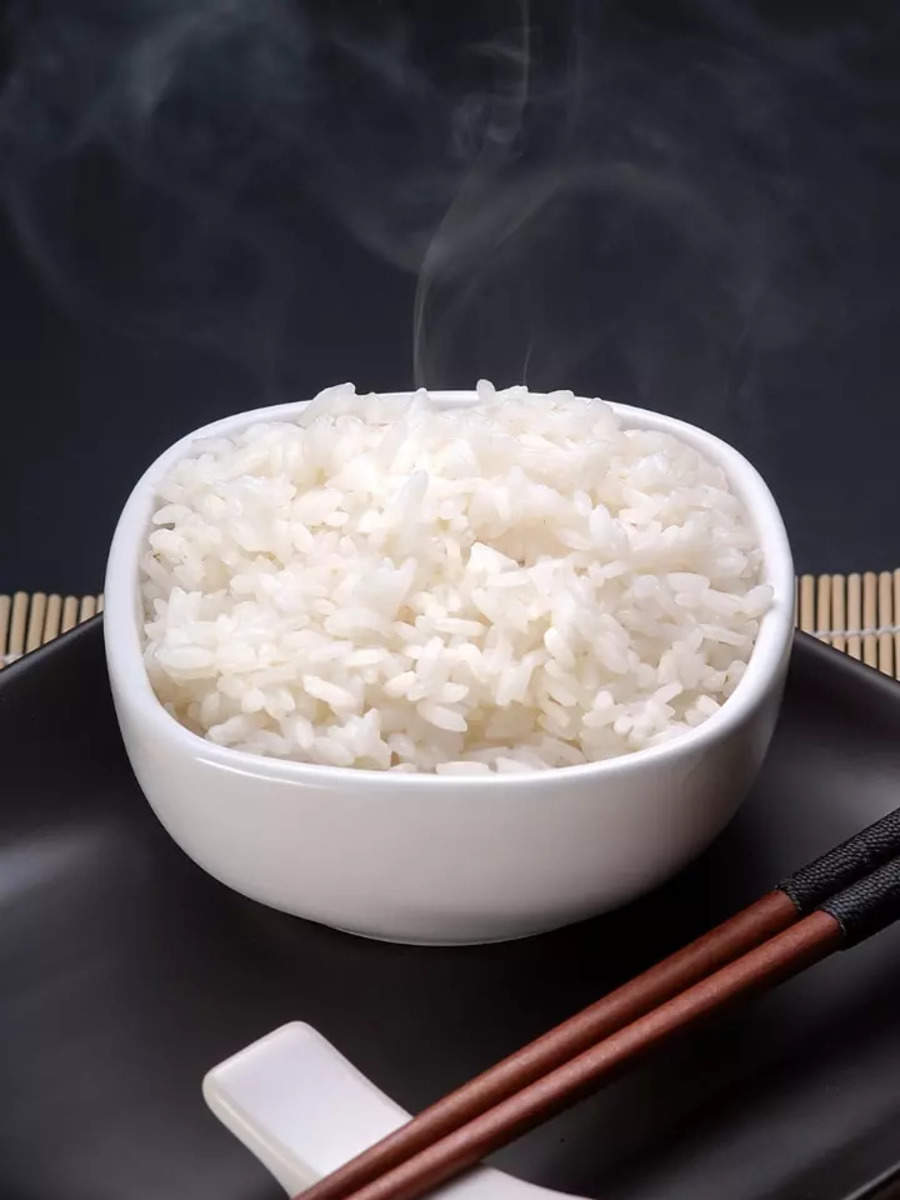
Leftover rice can also be used to prepare this popular Italian snack. For making these balls, roll leftover rice into bite-sized balls, stuff them with cheese or any desired filling, coat with breadcrumbs, and fry until golden brown.
Millet and basil conjee and jowar roti make an excellent combination for a healthy and nutritious meal.
Monsoon season often comes with a series of illnesses, and digestive issues be it acidity, constipation or indigestion are common around this time of the year. Right food is important to keep the digestive health on track and probiotics are often recommended to ease metabolism in rainy season. Conjee usually made with rice by adding lots of water to improve its digestibility can also be made with millets to boost its protein and fibre content. Adding basil to the broth can boost vitamins, minerals and antioxidants in the recipe besides a great flavour and taste to it. Teaming this healthy porridge with jowar roti can boost its nutrition quotient by several notches as sorghum has its own set of benefits in blood sugar management, cardiac health, bone health, lowering cholesterol and easing digestion.
Teaming this healthy porridge with jowar roti can boost its nutrition quotient by several notches as sorghum has its own set of benefits in blood sugar management, cardiac health, bone health, lowering cholesterol and easing digestion.
"This is a modified version of conjee, a broth or souped texture of mixed millet with fresh veggies and basil. Basil gives a very pleasant aroma and taste to the soup. This soup is very light, very quick and meal in itself as it is accompanied by spiced jowar crisp bread," says Chef Mani Mohan Pathak, Executive Chef, Pilibhit House, Haridwar- IHCL SeleQtions.
Here's the recipe
Serving -4 portion
To make conjee
Ingredients
Barnyard millet- 40 grams
Ragi flour - 20 grams
Fine chopped carrot- 10 grams
Fine chopped beans- 10 grams
Asparagus (optional)- 40 grams
Onion chopped- 10 grams
Garlic cloves- 10 grams
Fresh basil- 10 grams
Salt/pepper- to Taste
Olive oil- 5ml
Method
Wash and soak the barnyard millet.
Boil the millet in a litre of water and a few fresh basil leaves, then add chopped vegetable and let it cook for an hour.
Add ragi flour and cook for another few minutes.
Season it with salt and pepper.
Heat a little olive oil in a pan, sauté chopped onion and garlic till golden brown and then add chopped basil. Temper the soup, serve hot with jowar ki masala crisp.
To make jowar ki roti crisp:
Ingredients
Jawar ka atta- 200 gram
Salt- to taste
Water- as required
Oil/ghee- 2 spoons
Method
Make a dough of jawar atta with salt, oil and water
Rest the dough for the same times
Dive the dough in small ball, roll it like thin roti and cook on tawa till crisp, apply little oil/ ghee (optional)
Article From & Read More ( Lunch recipe: Team millet and basil conjee with jowar roti for a satisfying meal - Hindustan Times )
https://ift.tt/YIX2MFE
Entertainment
Tinned butter beans and black beans are among my favourites, with both being the perfect base for salads as well as more substantial dishes. Paired with brown rice, avocado and indecent amounts of lime, black beans work splendidly in a balanced, almost five-ingredient lunch. And for warmer days, take inspiration from Niki Segnit’s new book, The Flavour Thesaurus: More Flavours, and make a Spanish-inspired butter bean salad with oranges and olives – I add walnuts for crunch and spinach for a hit of green.
Lime-spiked black bean, avocado and rice taco bowl (pictured above)
Prep 10 min
Cook 25 min
Serves 4
200g brown rice
Flaky sea salt
3tbsp olive oil
2 x 400g tins black beans, drained and rinsed ½tsp ground cumin Zest and juice of 2 limes 10g fresh coriander, leaves and stems chopped 2 avocados, halved, stoned, peeled and sliced
Bring a large pan of water to a boil, add the brown rice and simmer for 20-25 minutes, until cooked to your liking. Drain, then stir in a pinch of salt and a tablespoon of olive oil.
While the rice is cooking, mix the drained beans with two tablespoons of olive oil, the ground cumin, the zest and juice of one and a half of the limes, the chopped coriander and a teaspoon of sea salt flakes. Taste and adjust the salt as required.
When the rice is cooked and dressed, divide it between four bowls and top each portion with a quarter of the beans and half a sliced avocado. Squeeze the remaining lime juice over the avocado, scatter with a little salt and serve hot.
Orange, butter bean, spinach and olive salad
Prep 15 min
Cook 10 min
Serves 4
4 tbsp olive oil
Zest from 1 orange
50g shelled walnuts, roughly chopped 1tbspcoriander seeds
1garlic clove, peeled and grated 2 x 400g tins butter beans, drained and rinsed Flaky sea salt 2 oranges, peeled Zest and juice of 1 lemon 200g baby leaf spinach 50g pitted black olives, halved
Put two tablespoons of oil in a large frying pan on a medium heat, add the orange zest, walnuts, coriander seeds and garlic, then turn down the heat and cook, stirring occasionally, for five minutes, until the walnuts are toasted.
Add the butter beans and a teaspoon of flaky sea salt, stir gently, and heat for a further five minutes. Take off the heat. Segment the orange over a bowl to collect the inevitable juice. Stir in the orange juice and leave to marinate for 15 minutes, or chill in the fridge until needed.
When you’re ready to eat, whisk the remaining olive oil with the lemon juice, zest and sea salt to taste, and use this to dress the spinach. Arrange the spinach on a large platter, top with the marinated beans, orange segments and olives, and serve immediately.
Rukmini Iyer is the author of The Roasting Tin series. Her latest book is India Express: Fresh and Delicious Recipes for Every Day, published by Square Peg at £22. To order a copy for £19.36, go to guardianbookshop.com
The Secret of Cooking sprang from personal experience. I wanted to crack the code of how to fit cooking into the everyday mess and imperfection of all our lives without it seeming like yet another un-doable thing on the to-do list or yet another reason to berate ourselves for falling short. My own relationship with cooking changed, suddenly, about a year into this project. In June 2020, in the middle of the pandemic, my husband of 23 years, the father of my three children, left me for another woman. For much of that year, I resembled Munch’s painting The Scream (or at least, that is how I felt). I tried anything I could think of to take my mind off the grief – watching box sets, yoga, reading novels, vodka – but almost everything reminded me of him, especially the vodka. With social distancing in place, I couldn’t hug friends. My mother, who had dementia, was in a care home where I wasn’t allowed to visit. To cap it all, I suddenly had to do all the laundry and all the cooking. This wasn’t such a shift; we never divided the cooking 50/50. But there is still a difference between being the person who does the majority of the cooking and being the person in charge of all of it.
To my surprise, I found that my enforced new role came with benefits. In my lonely state, the kitchen was one of the few places I felt better rather than worse. Cooking anchored me to the person I had been before I met my husband. I could make myself a chicken stew with the sweet scent of parsley and white wine which reminded me of the stews my mother used to make. No matter how tearful I had been the night before, I still had to get up in the morning and cook breakfast for my son, who was then 11. The act of cracking eggs into a jug to make his favourite pancakes or waffles felt steadying and gave me back my appetite.
We spend so long in the modern world talking about the stress of cooking that we can miss the ways in which cooking itself can be the greatest of all remedies for stress. Cooking brought me out of my thought loops and back into my senses and into a world of good smells and sounds. If I could pay enough attention to the sizzle of garlic in a pan or the squeaky sound of mushrooms frying, I could forget darker thoughts.
I also felt good about the fact that I was keeping myself and the children nourished. We seemed to connect more deeply over meals than we had before. My teenage daughter and I have always shared a love of eggs, but in the past we tended to eat them for lunch in limited ways (boiled, scrambled, shakshuka). Together, we branched out, taking it in turns to cook them and discovering new methods for making an omelette especially tender and delicious. (When you are making a basic omelette and want an instant fix to improve the texture, add a dab of dijon mustard. Dijon is both an acid and an emulsifier and these two things together do transformative things.)
I am not pretending that cooking mended my broken heart. When life sucks, it doesn’t stop sucking just because you have cooked the best pavlova of your life or figured out how to make a vinaigrette that works every time. But these things also don’t hurt. My rekindled love of cooking made me more determined to find ways to make it much easier, both for myself and others. Almost all of us have at least one cooking secret up our sleeve, shortcuts or flourishes we get so used to doing that we forget how special or unusual they are. I bought a large green notebook with a soft cover and started collecting kitchen tips from friends and books.
I learned so many shortcuts that I wish I had known years ago. I found that, contrary to what almost every recipe says, it is not essential to sauté the vegetables for a soup or stew or sauce – you can just simmer it all together in the pan, which makes the whole process so much less effort on days when you are exhausted. Another discovery was that I could make the most delicious, buttery tomato pasta sauce in almost no time at all using a box grater. I started to reprogramme many of my assumptions about how to get food on the table (or into a lunchbox, as the case may be). One of the most mind-blowing discoveries of all was that it is often not necessary to preheat the oven, even when making a cake or roasting a chicken. Oh, and you really don’t have to start every recipe with an onion (unless you want to).
Making cooking more enjoyable is largely a question of timing. We are often told we don’t have time to cook, but the part we miss is that time is not a single thing. Time is not just about how much or how little we have; it’s about the quality of those minutes and when in the day they fall. The real secret is we need the cooking that suits the particular time we have. Sometimes you have acres of headspace to plan a meal but little time for cooking and sometimes it is the other way round. I found one way to save huge amounts of time during the week without any compromise on taste was to make universal cooking sauces in advance and store them in my freezer, so I could have the makings of a delicious red or green or yellow curry at short notice without ordering delivery food.
The secret we all need the most is how to get the spark of cooking back into our lives so that the kitchen becomes a place we actually want to be. Delicious is not just about the way food tastes; it is a mindset. More than anything, the secret ingredient that makes the difference in the kitchen is enjoyment. And what this means is that we have to learn ways to make food that delights us, because no cook enjoys making a dish when the end results are disappointing. One of the secrets I discovered was that cooking can be a series of remedies which made me feel strangely calmer and more equipped to deal with the rest of what life had to throw at me.
Ruth’s tuna salad with anchovy dressing (pictured above)
If you like mayonnaise-type dressings, this is salad as pure comfort food. My mother-in-law, Ruth, is the only person I know who always refers to tuna as tunny fish. Someone else might call this a kind of salade niçoise, but to Ruth it is always tunny fish salad. I have lost count of the number of times I’ve eaten this at her table. Everyone who eats it falls in love with the dressing, which is based on one in Keep It Simple by Alastair Little, although Ruth changed it quite a bit. It sounds unlikely: a kind of mayonnaise-like concoction including tomato ketchup and anchovies. But somehow, it works. The dressing mixes deliciously with the tuna, and it is as if the green beans, tomatoes and eggs are dressed with anchovy-infused tuna mayonnaise.
This makes enough dressing for two salads for three people. What I usually do is serve it the first night as written, and then to ring the changes, the second night we have it without the potatoes in the salad but with baked potatoes on the side.
Serves 3 (with leftover dressing)
For the dressing egg 1 whole anchovies 1 small tin (the ones I buy weigh 55g) garlic 1 clove, peeled lemon juice of 1 ketchup 2 tbsp (or tomato purée) neutral oil 200ml (or a mix of half and half light and extra virgin olive oil)
For the salad small new potatoes 300g, cut in half or quarters, depending on size green beans 200g, topped and tailed cherry tomatoes 200g, washed and halved radishes 100g, washed and sliced as thinly as you can (this is my innovation; please don’t tell Ruth) eggs 4 tuna 1-2 tins lemon wedges to serve
First, make the dressing. Put everything except for the oil into a large measuring jug and thoroughly blitz with a hand-held blender. Now slowly drizzle in the oil, continuing to blitz until you have a thick mayonnaise-like dressing. Taste a bit on a piece of bread or raw vegetable. It should be ambrosial. I don’t usually add salt because anchovies are so salty. Adjust for lemon and ketchup.
Now for the salad. You need two medium-sized saucepans. Boil the kettle. Put the potatoes into one of the saucepans, add boiling water and a teaspoon of salt and boil for 10-15 minutes, or until tender. Drain in a sieve or a colander. Meanwhile, boil the kettle again. In the second pan, boil the green beans with a pinch of salt. They may take 4 minutes or they may take 8. It hugely depends on how fine they are. You want them properly tender, not squeaky (or at least, that’s how I like them). When they are done, remove them from the pan with a spider strainer or slotted spoon and put them into a big salad bowl. Add the eggs to the pan and boil for 8-9 minutes until hard boiled but still with a tiny bit of squidge in the yolk. Plunge into cold water and peel.
Drain away any water that has accumulated in the salad bowl with the green beans. Add all the other ingredients except the eggs and toss with a little under half the dressing. Halve the eggs, arrange them on top and serve with extra dressing on the side plus wedges of lemon, lots of black pepper and perhaps some bread to mop up the dressing.
Ratatouille for Richard
My friend Claire Edwards is French and has a thing for ratatouille. As a joke, she adds a syllable and calls it ra-ta-ta-touille. When our children were little, we went on holiday together a few times and the thing I remember most is being in the kitchen with Claire for hours, roasting a big chicken and making her ra-ta-tatouille, a slow process which left lots of time to talk as we chopped the courgettes and peppers. She would make great vats of it, enough to last for several meals. I can remember the wide smile of appreciation on her husband Richard’s face when she finally put it on the table. In early 2021, Richard died suddenly of a stroke aged 54, a loss which can hardly be borne.
Technically, the ratatouille I now make is not ratatouille at all. It is – as requested by my youngest son – based on the one eaten by the food critic Anton Ego in the Pixar movie Ratatouille. Properly, it should be called a tian, because unlike classic ratatouille, it is not stewed in a pan but constructed from very thinly sliced vegetables, baked in the oven. It looks much fancier this way but the flavours are the same: the gentle fragrance of sweet garlic mingling with oil and aubergine and tomato. You can get it ready ahead of time and reheat, if it helps.
It makes a spectacular vegan feast, perhaps with a simple pilaf of rice cooked with bay leaves, onions, oil, stock and herbs; or with baked potatoes and guacamole. But my default is still the way Claire served it, with a roast chicken, some roast, boiled or dauphinoise potatoes and a green salad.
Serves 4-6, depending on what else you are having with it (it’s a good idea to double it and make two) extra virgin olive oil 100ml garlic 6 cloves, peeled and grated plum tomatoes 1 × 400g tin sugar a pinch courgettes 3 large (about 450g) aubergines 2 large vine tomatoes 6 large thyme a few sprigs, leaves stripped and chopped
Preheat the oven to 190C fan/gas mark 6½. In a medium saucepan, heat 20ml of the olive oil over a medium heat and sauté 2 of the grated garlic cloves for a few seconds before adding the tinned tomatoes and a big pinch of salt plus a smaller pinch of sugar. Cook, stirring often, until it reduces down a bit. Now, either mash it a bit with your wooden spoon or blitz it with a hand-held blender. Spread this sauce over the bottom of a large casserole dish or wide-lidded ovenproof pan.
Cut the courgettes paper-thin using either a mandoline or a food processor. Now cut the aubergines in half lengthways and cut them too, using a mandoline or a food processor. Finally, slice the tomatoes as thin as you can using a sharp knife and a chopping board (I find they get mashed by the processor). Make stacks of the aubergine, courgette and tomato and arrange these in circles in the dish. When I first made this, I was completely obsessive and felt I had to alternate the vegetables one by one. This was time-consuming and it also didn’t work, because I always ended up with lots of aubergine and courgette left over (there are fewer tomato slices than aubergine and courgette). So what I now do is take a little stack of aubergine, a stack of courgette and then a single tomato slice and go round like that. It looks just as good.
When the pan is full, sprinkle over the thyme and distribute the remaining garlic as evenly as you can, tucking it into the crevices. Sprinkle the whole thing well with flaky sea salt and pour over the remaining olive oil. Put it into the oven for 30 minutes, then put the lid on and return it to the oven for another 30 minutes, or until the vegetables are completely tender and a little bit shrunken.
Restorative white bean stew
It was the brilliant chefs at Vanderlyle restaurant in Cambridge (Alex Rushmer and Lawrence Butler) who taught me that the broth in which white beans cook can be as soothing as chicken stock. In the past, I would foolishly rinse the beans after cooking them, thus throwing the best bit away. When you are tired, cooking dried beans can feel like too much effort, but you don’t have to soak them. These can happily simmer away in the background. The hands-on cooking here is minimal and the results are pure comfort.
Serves 4-6 or more, depending on how many of you are children dried white beans 250g, such as cannellini flat-leaf parsley 30g, chopped (or any other herb of your choosing) garlic 6 cloves new potatoes 600g courgettes 2 medium, or 2 large carrots spring onions 100g white wine or vermouth 150ml lemon zest and juice of 1 double cream (or coconut cream to keep it dairy-free)
Put the beans into a medium-large saucepan, add half the parsley and the whole cloves of garlic, cover with masses of water and bring to simmering point. Simmer for around 2 hours, or until the beans are totally tender. This is the unpredictable part, but it really isn’t strenuous. Dried beans can cook in anywhere from 1½-3 hours without soaking. Just check them every half an hour and keep topping up with water as needed.
When they are tender, chop the potatoes, courgettes (or peeled carrots) and spring onions into small pieces and add them to the pan along with 1 teaspoon of salt (leave it out if cooking for toddlers and season at the table for non-toddlers) and the wine. Put a lid on the pan and simmer for a further 15 minutes or until the potatoes are tender. Adjust the seasoning with lemon and add a big slosh of double cream and the second half of the parsley.
Roasting-tin chicken with fennel and citrus
This, adapted from Bitter Honey by Letitia Clark (a cookbook of Sardinian food which helped keep me sane during the first lockdown), is one of my most made roasting-tin meals. I find it comforting and uplifting at the same time.
Crispy skin on chicken thighs cook in a tray with fennel (both seeds and vegetable), white wine, citrus and dijon mustard. The fennel becomes impregnated with the wine and the chicken fat until it is meaty and sweet and sour.
If you decide to scale this up when cooking for more people – which is a great idea – don’t scale up the liquid too much or the chicken will drown in it. If you triple the amount of chicken, only double the liquid.
Makes 2 portions unwaxed lemon zest and juice of 1 unwaxed orange zest and juice of 1 dijon mustard 2 tsp extra virgin olive oil 2 tbsp fennel seeds 1 tsp white wine 200ml chicken thighs 4, bone in, skin on fennel bulbs 3, fronds reserved, bulbs cut into wedges fat green olives a handful
If you are feeling organised, start the day before or a few hours ahead. Whisk together the citrus juice and zest, dijon mustard, olive oil, fennel seeds, wine and 1 teaspoon of sea salt, and put into a freezer bag along with the chicken. Chill for a couple of hours or up to 12 hours. This will help to tenderise the chicken. But in all honesty, I’ve often forgotten to do this and it still tastes great.
Either way, put the chicken and all the marinade ingredients into a roasting tin. Slice the fennel bulbs into wedges and add them, along with the olives. Put into the oven and switch it on to 200C fan/gas mark 7 for an hour, or until the fennel is meltingly soft and the chicken is bronzed (check after 45 minutes).
Taste the sauce for seasoning. If the wine has all evaporated away, splash some water into the pan to make a simple gravy. Taste again for seasoning. It shouldn’t need much, because of all that citrus and wine. Eat with some crunchy green fennel fronds on top and good bread for mopping.
Raspberry ripple hazelnut meringue
This gluten-free meringue is spectacular and very easy – a pavlova flavoured with toasted hazelnuts and filled with cream rippled with raspberries. I got the idea from Jeremy Lee, the chef-proprietor of Quo Vadis restaurant, who makes a similar meringue but with almonds. The addition of the nuts makes it twice as nice, in my view, but obviously if you are serving the meal to anyone who can’t eat nuts, you can just leave them out and it’s still a thing of splendour. The meringue itself can be made ahead of time (even 1-2 days ahead), and then all you have to do is whip the cream and assemble it with the fruit.
Serves 8 blanched hazelnuts 120g egg whites 5 (save the yolks to make pasta or custard) cream of tartar ¼ tsp (optional, but helps the egg white to hold its shape) caster or granulated sugar 275g raspberries 400g, washed icing sugar double cream 400ml
Line a large baking tray with baking parchment. Heat the oven to 170C fan/gas mark 5. Scatter the hazelnuts on the tray and roast until their colour is just starting to deepen and they smell wonderful (about 10 minutes). Tip them into a food processor and grind very coarsely (there should still be some big pieces). If you don’t have a food processor, chop them by hand.
Using an electric whisk, beat the egg whites with the cream of tartar in a large, clean mixing bowl until they are stiff and very white. Slowly add the sugar and continue to beat until glossy. Fold in most of the ground nuts, keeping back a large handful, using a large spatula or metal spoon.
Tip the meringue on to the lined tray and spread it out to make a rough circle shape of about 24cm. Scatter the remaining hazelnuts on top. Bake the meringue for 20 minutes, then reduce the oven temperature to 120C fan/gas mark ½ and bake for another 40 minutes. It should look a divine pale biscuity-brown: the colour of a fawn whippet. Leave it to cool out of the oven.
While the meringue is baking, take 125g of the raspberries and press them through a sieve to make a purée. Mix this with 3 tablespoons of icing sugar to sweeten. Whip the cream with 1 tablespoon of icing sugar until it reaches soft peaks. Swirl half the raspberry purée into the cream to make a ripple. Dollop it over the meringue, followed by the rest of the whole raspberries. Drizzle the remaining sweet raspberry purée over the top and dust with icing sugar. At this point, according to Jeremy Lee, the cook should “take a bow”.
The Observer aims to publish recipes for sustainable fish. For ratings in your region, check: UK; Australia; US
The Secret of Cooking by Bee Wilson (HarperCollins, £28). To support the Guardian and Observer, order your copy at theguardian.com. Delivery charges may apply
Article From & Read More ( ‘Cooking brought me back to my senses’: the recipes that rekindled my appetite for life - The Guardian )
https://ift.tt/KSaWLUv
Entertainment
The Mediterranean diet is known as one of the healthiest eating patterns not only because it's adaptable to your food preferences, but also because it encourages you to eat lots of fulfilling foods like whole grains, legumes and vegetables. And these side dishes make following this diet easier and tastier than ever. With this collection of 5-ingredient recipes (not including pantry staples like salt, pepper and oil), you can effortlessly make flavorful sides with foods you may already have on hand, such as quinoa, beans or spinach. Recipes like our Quinoa with Peas & Lemon and Quick & Easy Sautéed Broccolini Recipe are nutritious, easy-to-prep and perfect for a healthy dinner side you'll want to make again and again.
Quinoa with Peas & Lemon
Ted & Chelsea Cavanaugh
Green peas add a pop of color to this bright whole-grain side dish. Plus, choosing frozen saves you time—no shelling required! Want to save even more time? Use a pouch of precooked quinoa.
Broccolini, with its long thin stems and small florets, is a cross between broccoli and gai lan or Chinese broccoli. This simple crisp-tender sautéed broccolini has zip from lemon and garlic and just a hint of heat from crushed red pepper. Serve alongside anything from roasted chicken to fish or steak.
Turmeric-Roasted Cauliflower
Roasting cauliflower transforms it into a crispy, tender vegetable. A sponge for other flavors, cauliflower can absorb any spice mix or marinade you add, like this warm and toasty combination of turmeric, cumin and garlic. Serve as a simple side dish, or stir it into salads or grain bowls to add more plant power.
Smashed Cucumber Salad with Lemon & Cumin
Don't skip salting the cucumbers in this quick cucumber salad recipe—just 10 minutes pulls out some of their excess moisture, concentrating the flavor and keeping the salad from being watered down. Serve this smashed cucumber salad at a summer cookout alongside burgers and hot dogs.
Balsamic-Parmesan Sautéed Spinach
Tender spinach with a hint of garlic, Parmesan cheese and sweet balsamic vinegar makes a quick and flavorful side dish. The sturdy leaves of mature spinach hold up best during cooking.
Roasted Kalettes
Kalettes, a cross between kale and Brussels sprouts, cook quickly in a hot oven in this easy vegetable side dish recipe.
Cauliflower Rice
When cauliflower is pulsed in a food processor, it magically turns into a vegetable that really resembles white rice. In this easy recipe, cauliflower rice is made into an herbed pilaf.
Balsamic-Roasted Green Beans with Parmesan
Sweet balsamic vinegar and nutty Parmesan cheese complement roasted green beans and shallots in this easy and healthy side dish. Roasting the green beans gives them a sweet, caramelized flavor while they still retain some bite. Serve with chicken, fish, pork--you name it. These green beans are also a wonderful addition to your Thanksgiving meal.
Air-Fryer Butternut Squash
Caitlin Bensel
Butternut squash gets tender with slightly crispy edges when it's cooked in the air fryer. The simple seasonings here complement the subtle sweetness from the squash. Serve this quick and easy side dish with just about anything, from roast chicken to pork.
Spinach Salad
This fresh-tasting, 10-minute salad is a simple mixture of fresh baby spinach and dried cranberries. To save time, we use bottled Italian dressing, but with a few extra minutes you can easily switch up the flavor by making your own dressing--just try our All-Purpose Vinaigrette (see associated recipe).
Steamed Fresh Green Beans
Photographer: Fred Hardy II, Food Stylist: Margaret Monroe Dickey, Prop Stylist: Phoebe Hauser
Steaming (but not for too long!) is a foolproof way to get perfect, crisp-tender green beans, every time. This easy recipe is a great starting point for other flavors or preparations, like adding cooked green beans to a salad.
Creamy Cucumber Salad
This creamy cucumber salad is an easy side dish for any summer BBQ. Bright dill and white-wine vinegar add fresh tartness to cucumbers and red onions. Enjoy this salad the day you prepare it so the ingredients don't turn watery.
Roasted Broccoli & Cauliflower
Roasted broccoli and cauliflower are perfectly cooked with just the right amount of seasonings and char from the oven. Enjoy this simple recipe for any meal or occasion.
On the Island of Guadeloupe, I Learned to Love Raw Garlic—Now It Tops My 5-Minute Tomato Salad
Jillian Atkinson
In this installment of Diaspora Dining, Jessica B. Harris' series on foods of the African diaspora, the author and historian offers a summer salad that is simply delicious, but not for the fainthearted. Minced fresh garlic gives this salad, inspired from a visit to Guadeloupe, its special flavor.
Parmesan White Beans
Ted & Chelsea Cavanaugh
Stash mirepoix blend—a basic building-block combo of chopped carrots, celery and onion—in your freezer and save some serious prep time on this simple bean side dish.
Quick & Easy Green Beans
Jennifer Causey; Styling: Lindsey Lower
Here's a fast, efficient way to cook green beans (and other vegetables), eliminating the fuss of bringing a large pot of water to a boil or draining the veggies.
Zucchini & Mushroom Sauté
Serve this simple side dish with grilled turkey burgers. Other fresh herbs, like thyme or oregano, work well too.
Garlic & Parmesan Roasted Carrots
Roasting carrots in the oven brings out their inherent sweetness, while Parmesan and garlic give this easy side dish a flavorful savory accent.
Lemon-Garlic Green Beans
Will Dickey
These tender-crisp lemon-garlic green beans have tons of flavor from shallots, garlic and the tangy lemon. It's the perfect simple green bean side dish that pairs well with everything.
Sunomono (Japanese Cucumber Salad)
Crystal Hughes
This version of sunomono uses more readily available English or slicing cucumbers, but if you live near an Asian market, you could substitute Japanese cucumbers. Some recipes call for salting the cucumbers first, but we found that squeezing them in paper towels removed enough excess moisture without adding additional sodium. This Japanese-inspired salad is cool, crisp and simply delicious.
There’s a giant fig tree in our neighbour’s front garden, which we watch closely every year, waiting for the arrival of the fruit and our favourite season. Celebration is called for, and these spicy, lamb-stuffed figs are the best way to kick things off. We’re all for stretching a meal to feed the many, and a grape and chicken fattoush does just that. By adding crisp pitta at the last minute to soak up all the juices, you turn a simple salad into a summer showstopper.
Chicken and grape fattoush (pictured top)
The flavour-drenched pitta is the best part of this whole plate.
Prep 15 min
Chill 2 hr+
Cook 30 min
Serves 4
For the chicken 6boneless and skinless chicken thighs (about 750g) 3 garlic cloves, peeled and thinly sliced Zest and juice of1 lemon 3 tbspchopped fresh oregano 3 tbsp olive oil, plus extra for the salad 1 tsp flaky sea salt ½ tsp freshly ground black pepper
For the dressing
1 large banana shallot, or 3 small shallots (about 60g), peeled and sliced very thinly into rings 3 tbsp red-wine vinegar
1 generous pinch each salt and sugar
For the salad
1 packbaby courgettes, or 2 large courgettes (about 200g), cut into 2cm slices 1 punnet cherry tomatoes (about 250g), each cut in half 150g black grapes
2pitta, toasted or stale 1 bag rocket (about 90g) 5-6 sprigsfresh oregano, leaves picked
Start by marinating the chicken. Put all the chicken ingredients bar the lemon juice in a bowl, cover and chill for at least two hours, and ideally overnight.
Heat a large frying pan, then lay in the chicken smooth side down (that is, the flat side that would have been covered by the skin) and leave to cook untouched for four minutes, until golden underneath; give them a minute longer, if need be. Flip and cook the underside for another four minutes, until golden.
Meanwhile, prepare the dressing: mix the shallot rings with the vinegar, salt and sugar, and set aside.
Transfer the cooked chicken to a bowl and cover. Add the courgette slices to the hot frying pan and fry for two to three minutes, until starting to colour and collapse. Add the lemon juice, cook for another minute, then add the halved cherry tomatoes and cook for a minute more. Finally, add the grapes and cook, stirring, for another minute.
Cut the chicken into strips and break the pitta into chunks. Put everything (including the rocket, oregano and the extra drizzle of oil) in a large bowl, mix together and serve.
Spicy, lamb-stuffed figs
The perfect marriage of sweet and savoury, stuffing the spicy lamb meatballs inside the figs gives them a sweet, fragrant little jacket. Serve with a green salad on the side.
Prep 5 min
Cook 1 hr 30 min
Serves 4
12 large figs (about 600g), as firm as you can find
For the filling and roasting 1 large leek (about 120-140g) 1 lemon
1 large red chilli
½ small bunch of thyme 360g minced lamb
3 tbsp breadcrumbs (we use panko, but any will do)
½ tsp ground ginger
½ tsp ground fennel
½ tsp salt
½ tsp baking powder
A good sprinkling of freshly ground black pepper
For the topping (optional) Olive oil, for drizzling Your favourite chilli flakes – we use aleppo, which is lovely and fruity
Heat the oven to 220C (200C fan)/425F/gas 7.
Cut the leek in half, finely dice the bottom white part and cut the green top into thick slices. Put the chopped leek in a large bowl and the slices in a roasting tin that can easily fit 12 figs side by side.
Zest the lemon into the bowl, then cut the fruit into four thick slices, discard the ends, and add to the roasting tin.
Cut four slices off the top of the chilli (the bit with the seeds in it) and pop those in the tray; finely dice the rest of the chilli and add to the bowl. Chop the top leafy part of the thyme to produce about two tablespoons, then put that into the bowl. Spread the rest of the thyme sprigs on the roasting tray.
Add the minced lamb, two tablespoons of the breadcrumbs, the ground ginger, ground fennel, salt, baking powder and pepper to the bowl, then knead everything really well. Divide the mixture into 12 balls, each weighing about 35-40g.
Top the tiny stem off each fig and, using a small, sharp knife, cut a cross about three-quarters of the way down, so the fruit opens up but its wide base remains intact. Open the cross a little and push one lamb ball all the way inside. Press in the sides of the fig, so it encases the meatball. Repeat with the remaining figs and lamb balls.
Put the stuffed figs open side up on the roasting tray, sprinkle the remaining tablespoon of breadcrumbs all over the top, then drizzle with olive oil and a light sprinkling of chilli flakes, if using. Bake for 30 minutes, then remove, leave to rest for a few minutes and serve hot with some green leaves.
Article From & Read More ( Honey & Co’s recipes for spicy, lamb-stuffed figs and chicken and grape fattoush - The Guardian )
https://ift.tt/lDsqkFx
Entertainment





:max_bytes(150000):strip_icc()/Sauteed-Broccolini-180-2000-005f5c406ae949679a0e863983be232b.jpg)


